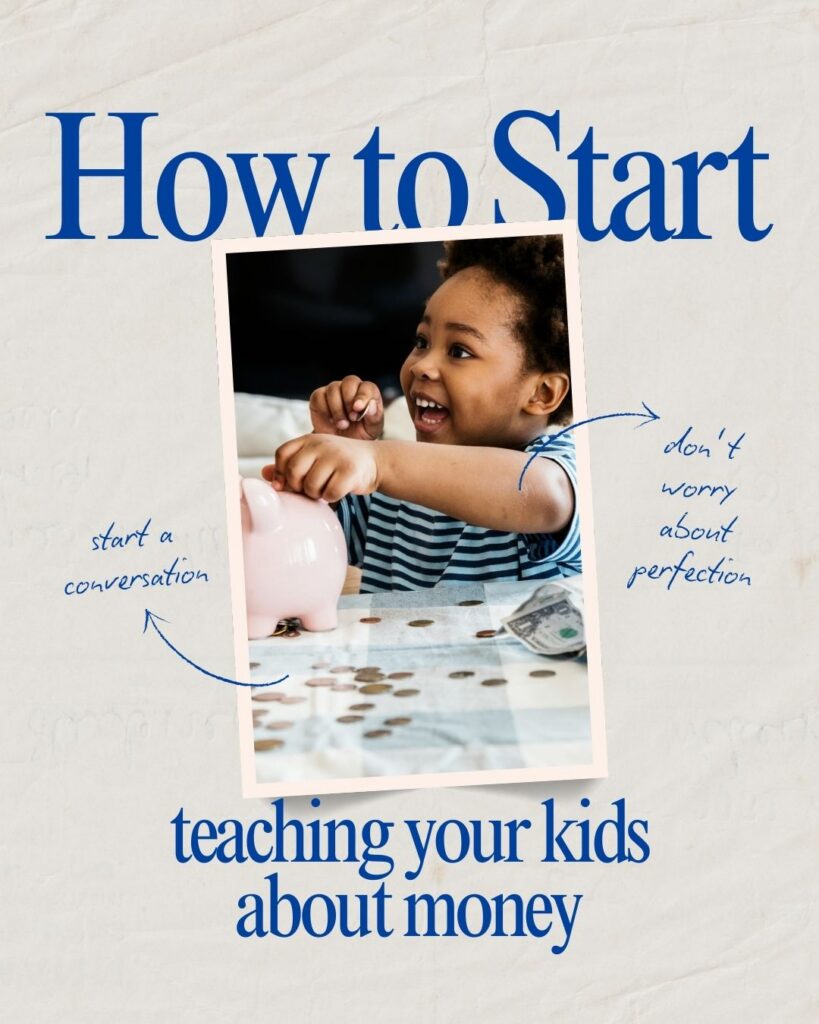
Some of the best financial education happens in the pages of a well-chosen book — not a textbook, but a story or a guide that a child genuinely wants to read. The right book introduces money concepts at the right moment, through characters or scenarios a child can connect with, and does some of the teaching so you don’t have to do it all yourself.
This list of books that teach kids financial literacy is organized by age tier: picture books for young children (ages 3–7), middle grade reads for the elementary and tween years (ages 8–12), and teen-focused books (ages 13+) that tackle real personal finance with direct, practical advice. Books marked with 📚 Library Pick are widely available at most public libraries — so before buying, check your library app.
How to use this list: Don’t feel you need to work through every book. Choose one or two that match your child’s current age and the concept they’re ready for. Reading together and talking about what comes up in the book is more valuable than reading alone.
Picture Books: Ages 3–7
Picture books do something no lecture can: they put financial concepts inside a story a young child emotionally connects with. The goal at this age isn’t mastery — it’s exposure. A child who’s heard a story about earning and saving has a reference point when the concept comes up in real life.
Picture Books — Ages 3–7
A Chair for My Motherby Vera B. WilliamsTeaches: Saving toward a goal📚 Library Pick This Caldecott Honor winner tells the story of a family — a mother, a grandmother, and a daughter — saving coins in a large jar to buy an armchair after a house fire destroys everything. It’s warm, emotionally resonant, and introduces the concept of saving with purpose in a way a three-year-old can feel even if they can’t articulate it. One of the best books about money for young children that doesn’t feel like a money book at all.
Lemonade in Winterby Emily JenkinsTeaches: Earning, pricing & profit📚 Library Pick Two siblings decide to run a lemonade and limeade stand on a cold winter day. The book tracks their setup costs, sales, and profit — and the moment they realize the math didn’t quite work out the way they planned. It’s a gentle, humorous introduction to entrepreneurship and the gap between expecting profit and earning it. Great for reading aloud and discussing the business decisions the kids made.
One Cent, Two Cents, Old Cent, New Centby Bonnie Worth (Dr. Seuss series)Teaches: Coin identification & money history📚 Library Pick Part of the Dr. Seuss Learning Library, this book covers the basics of what coins are, what they’re worth, and a brief history of how money developed. The rhyming format makes it highly readable for young children. It answers the “what is money?” question in a fun, age-appropriate way — useful before or alongside any allowance or coin-handling practice.
The Berenstain Bears’ Trouble with Moneyby Stan & Jan BerenstainTeaches: Earning, spending & saving basics📚 Library Pick The Bear cubs take on odd jobs to earn money, then face the temptation to spend it all immediately. The story walks through the earn-save-spend decision in a way young children can follow, with enough narrative tension to stay engaging. The Berenstain Bears series is a reliable vehicle for everyday values — and this installment does a solid job with money basics.
Just Saving My Moneyby Mercer Mayer (Little Critter series)Teaches: Delayed gratification & saving toward a goal📚 Library Pick Little Critter wants something specific and works to save for it — a perfect plot structure for introducing delayed gratification to a young child who can’t yet articulate why waiting is hard. The Little Critter books are accessible and relatable for ages 3–6. This one pairs well with a real savings jar at home.
Middle Grade: Ages 8–12
Middle grade readers are ready for longer narratives and more complexity. The best books in this category weave financial concepts into story — often through kid entrepreneurs, family financial situations, or competition — in ways that feel like fiction, not education. Some kids in this range are also ready for light nonfiction if the format is engaging.
Middle Grade Books — Ages 8–12
The Lemonade Warby Jacqueline DaviesTeaches: Entrepreneurship, competition & profit📚 Library Pick Two siblings — one analytical, one personable — compete to earn $100 in a week by running lemonade stands. The book weaves real math into the narrative: costs, revenue, profit, and pricing decisions all appear naturally in the story. It’s one of the best middle grade books for teaching business and money concepts because it doesn’t feel educational. Kids read it for the sibling rivalry and come away having absorbed more than they realize.
Lunch Moneyby Andrew ClementsTeaches: Entrepreneurship & ethical business decisions📚 Library Pick Greg Kenton is obsessed with money — earning it, counting it, and growing it. When he starts selling homemade comic books at school, he has to navigate competition, school rules, and questions about what’s fair. The book tackles profit, competition, and business ethics in a way that’s genuinely engaging. It also introduces the idea that money decisions have social dimensions — something older kids in this range are ready to consider.
The Kid Who Changed the Worldby Andy AndrewsTeaches: Impact of individual choices A picture-book-style story for older readers about how one person’s decisions ripple through history in unexpected ways. It’s less a direct money book and more a philosophy of cause-and-effect — useful for kids ready to think about the long-term consequences of their choices. Best as a conversation-starter paired with a discussion about financial decisions and their downstream effects.
Money Ninjaby Mary NhinTeaches: Earn, save, share & spend framework Part of the Ninja Life Hacks series, Money Ninja presents the earn-save-spend-share framework through a ninja character in a format designed for elementary-age kids. It’s short, illustrated, and designed to be read independently rather than aloud. A good follow-up for kids who’ve already heard some money basics and are ready to see them organized into a simple system.
Growing Money: A Complete Investing Guide for Kidsby Gail Karlitz & Deborah HonigTeaches: Investing, stocks & compound growth📚 Library Pick One of the clearest nonfiction introductions to investing written specifically for kids ages 9–12. It covers what stocks are, how to research companies, what mutual funds and bonds are, and how compound interest works. The writing is straightforward without being condescending. For a financially curious kid in this age range who is ready for real content, this is one of the best options on the market.
Teen & Young Adult: Ages 13+
Teenagers are ready for direct, practical personal finance content. The best books for this age group don’t talk down — they give real advice about real situations teens will face: first jobs, bank accounts, credit, investing, and the decisions that set the trajectory for their financial adult life.
Teen Books — Ages 13+
I Will Teach You to Be Rich (Young Adult Edition)by Ramit SethiTeaches: Automated finances, credit, investing & earning Ramit Sethi’s young adult edition of his bestselling personal finance book is one of the most practical and direct financial guides written for a teen audience. It covers bank accounts, credit cards, automated savings, index fund investing, and career earnings in plain language with zero condescension. The tone is confident and slightly irreverent — which tends to land well with teenagers who tune out lecture-style content. A strong first personal finance book for a motivated teen.
The Teen’s Guide to Personal Financeby Joshua Holmberg & David BrandeTeaches: Budgeting, credit, college costs & career earnings📚 Library Pick A comprehensive, straightforward nonfiction guide that covers the full range of personal finance topics a teenager actually encounters: earning money, managing a budget, understanding credit, planning for college costs, and thinking about career earnings. It reads more like a reference manual than a narrative — useful for a teenager who wants to look up a specific topic rather than read front-to-back. Widely available at public libraries.
Rich Dad Poor Dad for Teensby Robert KiyosakiTeaches: Assets vs. liabilities, entrepreneurship & financial mindset📚 Library Pick The teen adaptation of Kiyosaki’s bestselling Rich Dad Poor Dad focuses on the core framework of assets (things that put money in your pocket) versus liabilities (things that take it out) — and the mindset differences between people who build wealth and those who stay stuck. It’s more philosophy than step-by-step advice, which is why it works well paired with a more practical guide. Best for teenagers who are interested in entrepreneurship or already thinking about long-term wealth building.
Make Your Kid a Money Genius (Even If You’re Not)by Beth KoblinerTeaches: Age-staged financial parenting guide📚 Library Pick Technically written for parents rather than teenagers, this book is worth mentioning because many financially motivated teens read it — and it’s one of the most research-backed guides to raising financially literate kids available. Beth Kobliner draws on behavioral economics research to explain what actually works at each developmental stage. If your teenager is interested in the “why” behind financial habits, this is a worthwhile read for them.
Broke Millennialby Erin LowryTeaches: Entry-level adulting finance: budgeting, debt, career Targeted at college-age readers and young adults, Broke Millennial is written with warmth and humor and covers the practical financial decisions that happen in the 18–25 window: handling a first paycheck, understanding student loans, building credit from scratch, and navigating the gap between what you earn and what everything costs. Appropriate for high schoolers who are approaching graduation and want to feel prepared.
How to Read These Books That Teach Kids Financial Literacy (With Your Kids)
A book read alone does some of the work. A book read together — or even just discussed after the fact — does more.
For picture books, read aloud and pause where a concept appears. “The family is putting coins in a jar — what do you think they’re saving for?” For middle grade novels, let the child read independently but follow up afterward: “What would you have done if you were Greg? Do you think he made the right call?” For teen books, consider reading the same chapter or section and discussing it together at dinner or in the car.
The goal isn’t to quiz your child on financial vocabulary. It’s to create shared reference points — moments you can point back to when a real-life situation mirrors something in a book. That connection, between story and real choice, is where the learning actually sticks.