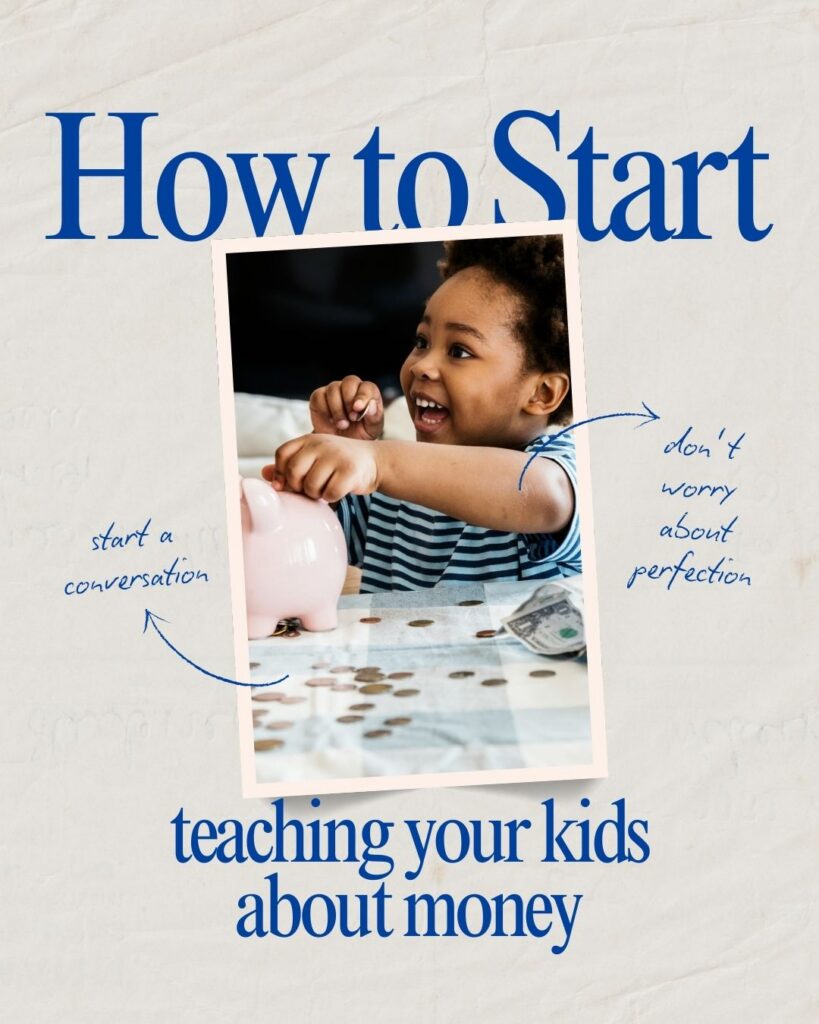
If you’ve ever handed your 8-year-old $5 and watched it vanish on candy before noon — or asked your kid to unload the dishwasher and gotten a full-blown negotiation in return — you’re not alone.
Most parents know that chores and allowance are important. Teaching kids to contribute to the household, earn money, and learn to manage it are foundational life skills. But knowing it’s important and actually building a system that works in your specific household, with your specific kids, is another matter entirely.
This guide exists to close that gap. Whether you’re starting from scratch or overhauling a system that has slowly fallen apart, you’ll find a complete framework on allowance and chores here — one that covers the philosophy, the mechanics, and the age-by-age specifics.
Let’s start with the question almost every parent asks first.
The Big Debate: Should Allowance Be Tied to Chores?
This is the question that divides parenting philosophies more than almost any other money topic. The short answer: there’s no single right answer for tying allowance and chores, but there is a right answer for your family once you understand what each approach is actually teaching.
Here’s how the two main camps break down:
The Tied Camp (Commission-Based)
In this model, kids earn money specifically for completing assigned chores. No work, no pay. This approach is championed by financial educators like Dave Ramsey, who argues that it mirrors how the real world works: you earn what you produce so that allowance and chores are tied together.
The strength of this model is motivation and the direct cause-and-effect relationship between effort and reward. Kids learn that money is earned, not given. The risk is that it can create a transactional mindset toward household contributions — “If I’m not getting paid, I’m not doing it.”
The Separate Camp (Fixed Allowance)
In this model, chores are treated as a household responsibility — something everyone does because they live here. Allowance is given separately as a financial learning tool. The argument is that conflating money with basic household contributions undermines both the money lesson and the responsibility lesson.
The strength here is that it teaches budgeting and financial management independently of chore compliance. The risk is that kids don’t develop a strong earn-reward connection.
The Hybrid Model (What Most Families Actually Do)
The most practical approach for most families involves a combination: some chores are non-negotiable household contributions with no payment attached, and some chores are above-and-beyond earning opportunities. Kids get a small base allowance for practicing money skills, plus the chance to earn more through extra work.
This article will help you build whatever version of that framework fits your family.
For a deep dive into how these two systems compare, see our full breakdown: Allowance vs. Commission Systems for Kids.
Why Chores Matter (And It’s Not About a Clean House)
Before getting into the mechanics of any system, it’s worth understanding what you’re actually trying to accomplish. Because if the goal were just a cleaner house, it would often be faster to do everything yourself.
The research on chores and children is consistent: kids who do regular household chores develop stronger responsibility, greater self-efficacy, and better work habits than those who don’t. A long-term study by Marty Rossmann at the University of Minnesota found that one of the strongest predictors of a young adult’s success — including academic achievement, career stability, and healthy relationships — was whether they began doing chores as young as three or four years old.
Chores teach children several things that can’t be replicated in a classroom:
- That they are capable contributors, not just passengers in the household
- That effort produces results, and that results matter
- How to start and complete tasks without external direction
- Patience, persistence, and tolerance for work that isn’t immediately rewarding
- Practical life skills they’ll use every day as adults
When you add an allowance and chores (or commission system on top of that foundation), you add financial literacy: the understanding that money is earned, that it has limits, and that decisions about how to use it have consequences.
These aren’t small lessons. They’re the architecture of a capable adult.
⚡ Quick-Start: Implement a System This Week
- Pick 2–3 age-appropriate chores your child can do today (see the Age-Appropriate Chores guide below)
- Decide on your model: tied allowance and chores, separate allowance, or a hybrid
- Set a specific dollar amount and payment day (weekly works best for younger kids)
- Write it down — a simple chore chart or family contract makes expectations clear
Do the first week together; transition to independent work by week two
The Four Main Chore and Allowance Systems
There isn’t one universally right system for allowance and chores — there’s the one that fits your family’s values, structure, and kids’ temperaments. Here’s a clear breakdown of the four most common approaches.
1. Fixed Allowance (Unconditional)
Kids receive a set amount each week regardless of whether chores are completed. Chores are treated as a separate household obligation. This model emphasizes budgeting and financial autonomy — kids learn to manage a predictable income stream.
Best for: Families who want to use allowance primarily as a financial literacy tool and don’t want chore resistance to interrupt the money lesson.
2. Commission System (Pay Per Task)
Kids earn a set amount for each completed chore. A chore board or chart tracks what’s available and what it pays. No chore completed, no payment earned. This is the model Dave Ramsey advocates and it’s highly effective at instilling work ethic and the earn-reward connection.
Best for: Families who want to tie earning directly to effort and are okay with some variability in what kids earn week to week.
See the full comparison: Allowance vs. Commission Systems.
3. Hybrid System (Base + Earn)
Kids receive a small base allowance for practicing money management, plus the opportunity to earn additional income through bonus chores or extra tasks. Some chores are mandatory household contributions (unpaid), others are earning opportunities (paid).
Best for: Most families. Combines the financial literacy benefits of fixed allowance with the work-ethic benefits of commission. Flexible and adaptable as kids grow.
4. Point or Reward System
Instead of direct cash payment, kids earn points for completing chores. Points can be redeemed for privileges, experiences, or money. This works especially well for younger kids who aren’t ready to manage cash but respond well to visible progress markers.
Best for: Kids ages 4–8. Also useful as a reset tool when a previous chore system has broken down and you need a fresh start.
For a full comparison with decision framework, see: Chore Systems That Work.
Setting Expectations by Age
One of the most common mistakes parents make is assigning chores that are either too advanced (leading to failure and frustration) or too simple (leading to boredom and not enough challenge). The right chore, at the right age, is one that stretches a child just slightly beyond what feels completely easy.
Here’s a snapshot of what’s developmentally appropriate at each stage, with links to the full age-specific guides. Note: you can tie allowance and chores or you don’t have to.
Ages 3–5: Habit Formation
At this age, the goal is not efficiency — it’s building the habit of contributing. Young children are surprisingly eager to help, and that enthusiasm is worth preserving. Keep tasks simple, short, and directly connected to their daily routine.
- Putting toys away after play
- Setting or clearing their place at the table
- Feeding a pet with supervision
- Making their bed (loosely — perfection is not the point)
- Wiping up small spills
Expect messes. Expect re-doing. This stage is entirely about participation, not performance.
Full guide: Chores for Ages 4–6.
Ages 6–8: Building Routine
Kids this age can follow multi-step instructions and begin working more independently. Chores can expand in scope and complexity. This is also the age when introducing a small allowance starts to make developmental sense.
- Unloading the dishwasher
- Folding and putting away laundry
- Vacuuming a room
- Taking out trash with reminders
- Cleaning their bedroom independently
Full guide: Chores for Ages 7–10.
Ages 9–11: Expanding Responsibility
By this stage, kids can take on real household responsibilities with minimal supervision. This is where the commission system starts to shine — kids are old enough to connect effort to reward in a meaningful way.
- Loading the dishwasher
- Cleaning bathrooms (sink, toilet, mirror)
- Preparing simple meals or snacks
- Grocery list assistance
- Yard work basics
Ages 11–14: Life-Skill Chores
Tweens should be handling real household tasks — not just helping, but owning. Frame this as building competence and independence, not just doing more work. Tie increased responsibilities to increased privileges.
- Doing their own laundry start to finish
- Cooking simple meals for the family
- Mowing the lawn
- Basic cleaning of shared spaces
Full guide: Chores for Ages 11–14.
Ages 15+: Household Contributor
By high school, a teenager should be capable of running a household largely independently. Chores at this age aren’t about teaching basics — they’re about being a real contributing member of the household. Balance is important: teens have school, extracurriculars, and often early jobs. Keep expectations fair and communicate them clearly.
- Cooking full dinners on rotation
- Managing their own schedule and appointments
- Car care basics (checking oil, keeping it clean)
- Grocery shopping independently
- Managing their own budget and bank account
Full guide: Chores for Teenagers.
Full age overview: Age-Appropriate Chores for Kids.
How Much Allowance Should Kids Get?
The most common rule of thumb is $1 per year of age per week — so a 7-year-old gets $7/week, a 10-year-old gets $10/week. This is a reasonable starting point, but it’s exactly that: a starting point.
What matters more than the specific amount is that it’s enough to be meaningful (kids can save toward something they actually want), but not so much that decisions feel weightless.
| Age | Suggested Weekly Range | Annual Amount | Notes |
| 4-6 | $2-5 | $104-$260 | Cash is best; keep it tangible |
| 7-9 | $5-$9 | $260-$468 | Introduce saving jars or accounts |
| 10-12 | $10-$15 | $520-$780 | Budget for Categories: spend/save/give |
| 13-15 | $15-$25 | $780-$1300 | Start tracking with an app or ledger |
| 16+ | $20-$40+ | $1040-$2080 | Transition toward earned income |
These are guidelines, not rules. Your family’s budget and your goals for allowance should drive the decision.
For the full breakdown: Weekly Allowance for Kids: How Much, How Often, and How to Make It Stick.
Making the System Actually Stick
The number-one reason chore systems fail is inconsistency. Not the child’s inconsistency — the parent’s. When parents forget to enforce the system, skip payment days, or give in after pushback, the system collapses. Kids learn quickly whether expectations are real or optional.
Here’s what works:
Use a Visual System
Whether it’s a whiteboard, a sticker chart, or an app, kids need to see their responsibilities and their progress. A visible chore chart removes ambiguity about what’s expected and gives kids a sense of ownership.
Full guide: How to Create a Chore Chart for Kids.
Involve Kids in Creating the Rules
Kids are dramatically more likely to follow rules they helped create. A simple family agreement — even written down and signed — increases buy-in and removes the “I didn’t know” excuse.
See: Family Contracts for Chores.
Be Consistent on Pay Day
Whatever day you designate as allowance day, stick to it. Make it a brief ritual: count out the money together, acknowledge what the child did well, and let them make a decision about how to use some of it. The ritual makes money management real.
Address Resistance Directly
Every child will test the system at some point. When they do, the response matters more than the resistance. Keep consequences clear and predictable: if chores aren’t done, the agreed outcome (missed payment, missed privilege) happens automatically — without lectures, negotiations, or exceptions.
Adapt as Kids Grow
A chore system that works for a 6-year-old won’t work for a 12-year-old, and that’s not failure — that’s development. Build in annual check-ins to adjust responsibilities, increase allowance amounts, and revisit the family agreement.
Common Questions Parents Ask About Allowance and Chores
Should I take away allowance as punishment for bad behavior?

Most child development experts advise against it — not because consequences don’t matter, but because using money as a behavioral punishment conflates the financial lesson with behavior management in ways that confuse both. There’s an important distinction, though: not paying because a chore wasn’t done is logical and appropriate. Taking away earned money because of an unrelated behavioral issue is a different matter.
Full discussion: Should Kids Lose Allowance for Bad Behavior?.
Should I pay my kid for good grades?

This is one of the most debated questions in the financial parenting space. Research on the topic is genuinely mixed. Short-term grade improvements have been documented, but so has a decrease in intrinsic motivation over time. The distinction between rewarding effort versus rewarding outcomes matters here.
Full analysis: Should Kids Be Paid for Good Grades?.
What’s the best app to track allowance and chores?

If you’d like to manage your system digitally, there are several strong options — from full-featured debit card apps like Greenlight to simple tracking tools like RoosterMoney. The best app depends on your child’s age and whether you want actual digital payments or just a visual tracker.
Full reviews: Best Allowance Apps for Families.
Putting It All Together: Your Family’s Framework
Every family is different, and the best chore and allowance system is the one you’ll actually maintain. Here’s a simple framework to build yours:
- Define your philosophy. Decide upfront whether allowance will be tied to chores, separate from chores, or a hybrid. Commit to it.
- Choose age-appropriate chores. Start with two or three chores per child that match their developmental stage. Add more as they demonstrate readiness.
- Set the amount and frequency. Use the $1/year/week guideline as a starting point. Commit to a specific payment day and stick to it.
- Create a visual system. A chore chart, whiteboard, or app makes expectations visible and reduces daily reminders.
- Involve your kids. Walk through the plan together. A family agreement turns rules into shared commitments.
- Enforce consistently and adapt over time. The system only works if you follow through. Review and update annually as your kids grow.
Building this system takes about an hour to set up and roughly 15 minutes of maintenance per week. The return on that investment — in your kids’ confidence, capability, and financial understanding — compounds for decades.
The Bottom Line on Allowance and Chores
Chores and allowance aren’t just about a cleaner kitchen or a child who stops asking for things at Target. They’re about building a person who understands that work has value, that money is a tool to be managed, and that contributing to something bigger than yourself matters.
You don’t need a perfect system on day one. You need a good-enough system that you start, stay consistent with, and adjust as you go. The parents who succeed at this aren’t the ones with the most elaborate chore charts — they’re the ones who kept showing up, week after week, and treated the whole thing as the long game it is.
Start simple. Stay consistent. Adjust as they grow.
For a deeper dive into teaching kids about money beyond chores, see our full guide to teaching kids about money.