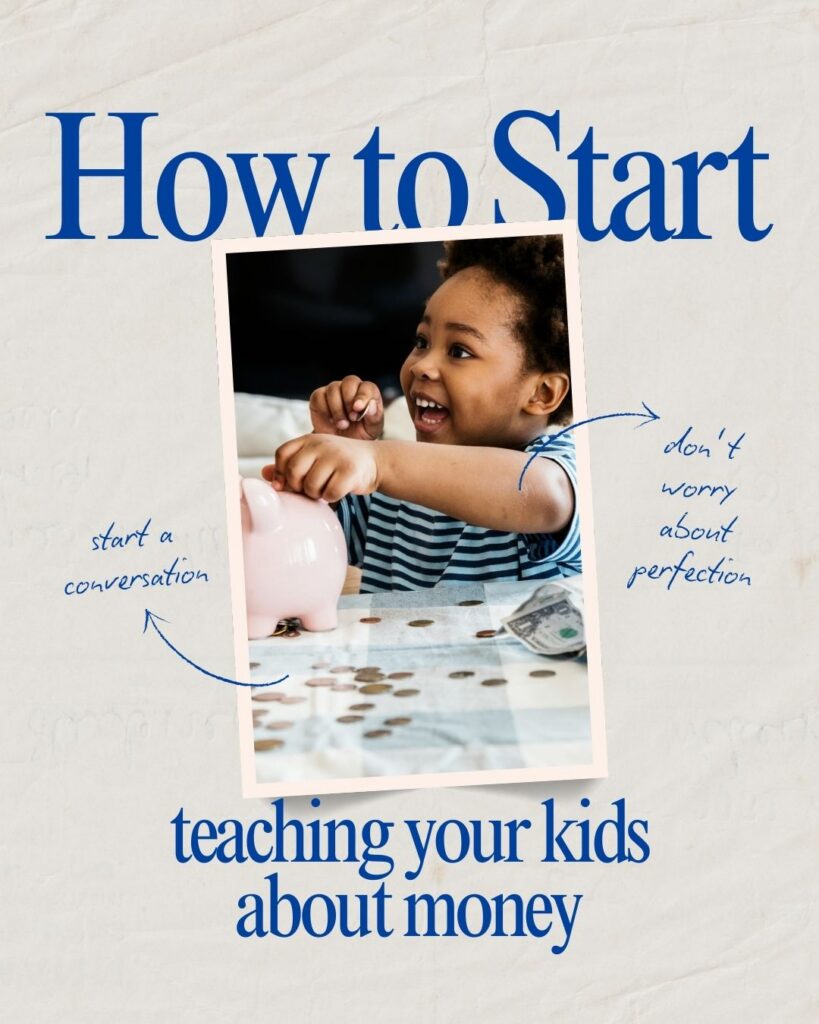
Most conversations about allowance focus on two things: how much and whether to tie it to chores. Those are important questions — but there’s a third question that doesn’t get nearly enough attention: how often?
The frequency of allowance payments matters more than most parents realize, especially for younger kids. A month is an abstraction to a 7-year-old. A week is a concrete unit of time they can understand, count down to, and plan around.
This guide focuses specifically on how much weekly allowance should kids get: why it works, how to set the right amount by age, what the allowance should and shouldn’t cover, and how to turn the weekly handoff into something genuinely meaningful.
Why Weekly Works Better Than Monthly for Younger Kids
The core principle in financial literacy for children is that the feedback loop needs to be short enough to be meaningful. For kids under 12, a monthly allowance creates problems:
- The connection between earning and receiving is too distant to reinforce behavior
- Budgeting across a month is cognitively demanding for young children
- Kids spend everything immediately because “more is coming” feels abstract
- It’s harder to build a savings habit when the cycle is a month long
Weekly allowance solves these problems. The cycle is short enough that:
- Kids can count down to it and feel the anticipation
- The earn-receive connection is immediate and real
- Saving toward something “next week” or “in three weeks” feels achievable
- Mistakes (spending on something impulsive) have small consequences that reset quickly
As kids grow and develop longer planning horizons, you can shift to bi-weekly or monthly payments. But for most kids under 10, weekly is the right cadence.
How Much Weekly Allowance Should Kids Get: The Starting Framework
The most common guideline is “$1 per year of age per week” — so a 7-year-old gets $7/week, a 10-year-old gets $10/week. This is a useful starting point, but it’s worth understanding what that amount is supposed to accomplish.
A useful allowance is one that is:
- Meaningful enough to practice with: Kids need enough money that their decisions have real consequences. $2/week doesn’t have enough weight to create genuine financial tension.
- Small enough that mistakes hurt a little: Spending everything on candy and then not having money for something they actually wanted is one of the best financial lessons available.
- Connected to what it’s supposed to cover: If allowance is meant to replace your pocket-money giving, it needs to be enough to actually serve that function.
| Age | Weekly Range | Annual Total | Notes |
| 5–6 | $2–$4 | $104–$208 | Cash only; physical money is important at this age |
| 7–8 | $5–$7 | $260–$364 | Introduce a simple save/spend split |
| 9–10 | $8–$12 | $416–$624 | Add a give category; consider savings goal tracking |
| 11–13 | $12–$20 | $624–$1,040 | Expand to cover more personal expenses |
| 14–17 | $20–$40 | $1,040–$2,080 | Bridge toward earned income; include budget categories |
These are guidelines. Your family’s budget and what the allowance is meant to cover should drive the final number.
What Allowance Should (and Shouldn’t) Cover
One of the most important decisions to make upfront is what the allowance is actually for. Parents often give allowance as a generic “good to have” money without being clear about what it replaces or what it covers.
Things Allowance Can Replace
- Impulse purchases at Target, the grocery store checkout, or the app store
- Optional toys, games, or entertainment
- Birthday gifts for friends (for older kids)
- Personal clothing choices beyond the basics you provide
- Eating out with friends
Things Allowance Shouldn’t Cover
- Basic school supplies and clothing (these are parental responsibilities)
- Family activities and outings (you’re paying for those)
- Essential hygiene products and toiletries
- Emergency situations
Being explicit about these categories removes ambiguity and teaches kids to budget within defined constraints. When they know their allowance is meant to cover their discretionary wants — and that you’re not topping it up when it runs out — they make different decisions.
Handling Missed Weeks
It happens: you forget payment day, or the week is chaotic, or you don’t have the right cash on hand. How you handle missed payments matters.
- For missed payments: Pay as soon as you remember, acknowledge it (“I owe you from last week”), and move on. Don’t let it become a pattern.
- For commission systems: If payment is tied to chore completion, missed payments should always be acknowledged and settled. Kids need to trust the system is fair.
- For partial completion: Decide your policy upfront. Many families pay only for what was completed. Others use an all-or-nothing threshold. Either is fine — just be consistent.
Consistency in payment is as important as consistency in expectations. If kids can’t count on the payoff being reliable, the motivation erodes.
The Weekly Handoff Ritual
This is the piece most parents skip, and it’s arguably the most valuable part of the whole system.
The weekly allowance handoff is a teaching moment, not just a transaction. A few minutes each week, done with intention, can do more for your child’s financial literacy than any lesson:
- Count it out together: Even for older kids who could just Venmo or use a bank card, physically handling money creates a different relationship with it.
- Ask a question: “What are you saving up for?” or “Did you make any money decisions this week you were proud of?” One question, not a lecture.
- Reinforce the split: If you use a save/spend/give model, help them sort the money into their jars or accounts at the moment of payment.
- Acknowledge the work: If the allowance is tied to chores, name specifically what they did well this week.
The ritual doesn’t need to be long. Five minutes once a week, done consistently, creates a financial relationship with money that a bank account alone never will.
Cash vs. Digital: Which Is Better?
For younger kids (under 10), cash is almost always better. Physical money is concrete. Handing over a $5 bill feels real. Watching it disappear when spent feels real. A number on a screen does not carry the same weight.
For older kids (10+), digital systems start to make more sense as they begin to use debit cards, manage bank accounts, and interact with digital payments in the real world.
A useful transition: start with cash, and when your child asks about getting a debit card or wants to use an app, use that as the onramp to digital money management.
For app recommendations: Best Allowance Apps for Families.
The Bottom Line
Weekly allowance is one of the simplest and most effective financial literacy tools available to parents. The amount matters less than the consistency. The consistency matters less than the ritual. And the ritual matters less than the fact that you started.
Pick an amount, pick a day, show up with the money every week, and spend five minutes being intentional about it. Your kids will internalize more from that habit than from any app, course, or financial lecture.
For the full chore and allowance framework: The Complete Guide to Allowance and Chores for Kids.
For the tied vs. untied debate: Allowance vs. Commission Systems for Kids.